
LALALAR: Electric traditions, broken futures
The band reinventing Anatolian electronics
Nov 15, 2025, 12:26 AM

In the shifting landscape of global alternative music, few acts have reshaped the rules as decisively as Lalalar. Emerging from Istanbul’s underground with a sound that is equal parts industrial grit, Anatolian pulse and political tension, the band has become one of the most influential forces in modern experimental music. Now, with their newly released double single — “Hapisteler Ama Yeniliğe Doğru” and “Tabancamın Sapını” — Lalalar signal a powerful artistic evolution that is as conceptual as it is explosive.
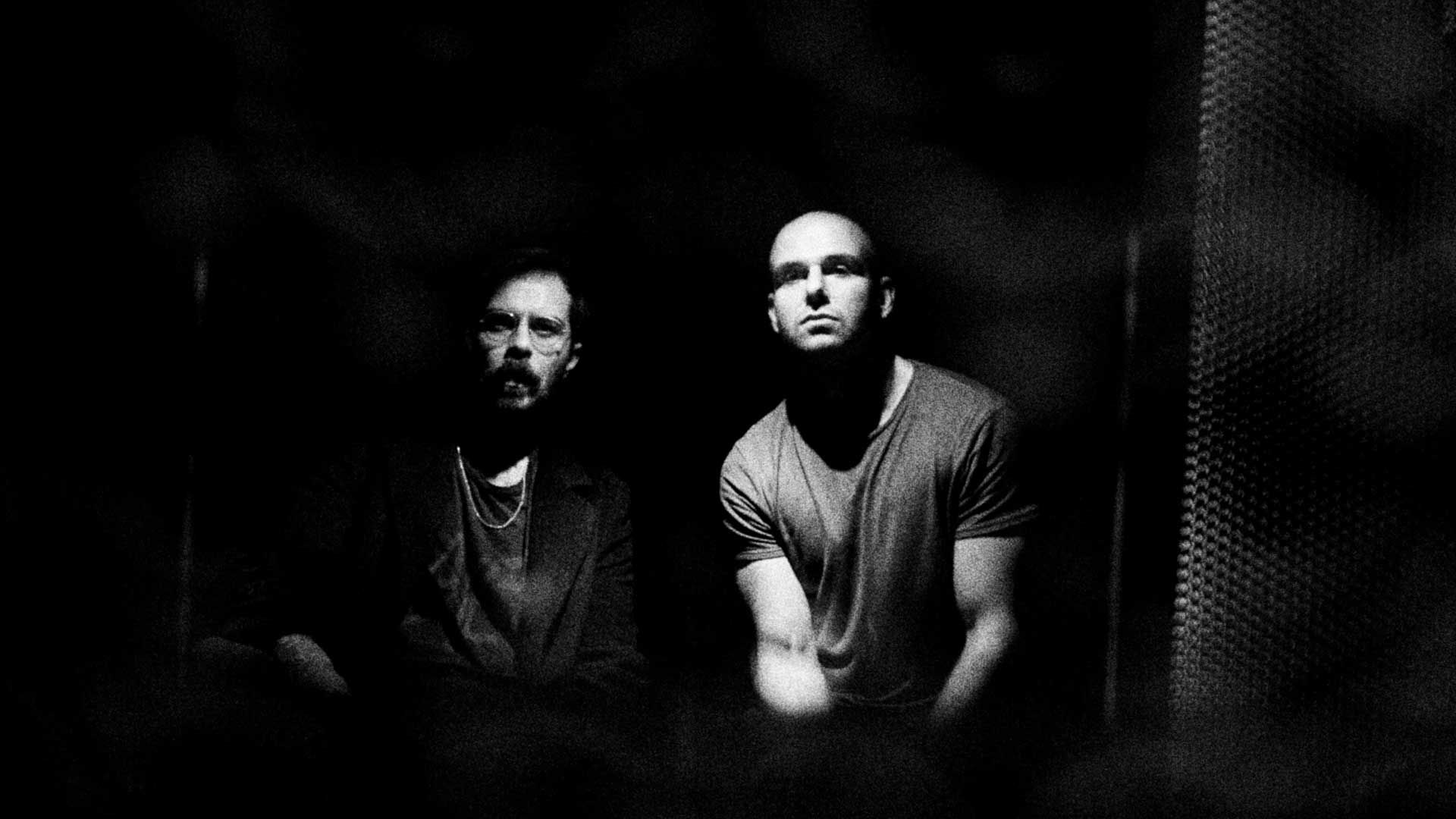
The band today is composed of Ali Şimşek and Barlas Tan Özemek — two musicians whose creative synergy has become the beating heart of the project. Together, they push the limits of their own sonic universe, proving that Lalalar is more than a lineup: it is a living organism, an aesthetic, a pulse.
And that pulse is getting darker, sharper and more urgent.
The New Release: Where Rumi Meets Industrial Chaos
Lalalar’s newly released tracks mark a new chapter in their artistic direction — more conceptual, more politically charged, more distilled.
On “Hapisteler Ama Yeniliğe Doğru” (“Imprisoned Yet Toward Anew”), the band channels the 750-year-old verses of Rumi, casting them into the turbulence of contemporary Istanbul. The contrast is intentionally jarring: mystical poetry confronting urban unrest. The band describes the track as “a bridge across centuries” — a collision of past wisdom and present instability.
In a 2022 interview with Rolling Stone Türkiye, Ali Şimşek reflected on how Istanbul shapes their sound: “We live in a city that’s constantly collapsing and constantly rebuilding. Naturally, our music carries that tension.” That tension pulses through every beat of the new single.
The second track, “Tabancamın Sapını” (“The Handle of My Gun”), reimagines a Black Sea folk melody as a riotous club anthem. It begins in a crooked, whirling 7/8 rhythm and explodes into a 4/4 Berlin-rave climax — a journey from the region’s mountains to the European dance floor. The band describes this hybrid as “Horon Rave”, a collision of tradition and rave culture that feels both ancestral and radically new.
Rather than preserving history, Lalalar are mutating it — a philosophy that has defined their work since day one.
Anatolia as a Sonic Laboratory
While many contemporary Anatolian-inspired acts lean into psychedelic nostalgia, Lalalar take the opposite route. Their use of folk material is not decorative, but destabilizing. It functions less as homage and more as raw material in an electronic experiment driven by distortion, tension and cultural friction.
Producer and composer Barlas Tan Özemek explained this approach succinctly in an early interview: “We take the familiar and push it into discomfort. That’s where the new forms appear.”
The result is music that doesn’t sit comfortably in a genre — not psychedelia, not techno, not punk, not folk — but a volatile mixture of all four. And unlike many nostalgia-driven revivals, Lalalar’s sound remains firmly future-oriented.
A Band That Europe Needs — Not Just Welcomes
Lalalar’s ascent across Europe has been rapid and organic. Their sound resonates in cities where club culture, migration stories, and political uncertainty overlap — Berlin, Paris, Athens, Amsterdam.
A writer for The Quietus once summed it up perfectly: “Lalalar make protest sound like a nightclub séance.”
Their energy is rebellious, but ritualistic. Their live shows are catharsis disguised as chaos.
On Stage: What Awaits Sofia and Plovdiv
This year, Lalalar are preparing to bring their evolving sound to Bulgaria with two highly anticipated appearances at the Station Street Festival — first in Sofia, then in Plovdiv. Both shows arrive at a moment of creative transformation for the band, making these performances more than tour dates: they are previews of a new artistic chapter unfolding in real time.
In Sofia, audiences can expect an intense, high-voltage set built around the band’s newly released material — music that leans into darker electronics, sharper rhythmic structures and a heavier industrial edge. If recent European concerts are any indication, the Sofia show is likely to highlight the band’s escalating conceptual depth and confrontational energy.
Plovdiv, hosted in the intimate Bee Bop Café, promises a different kind of experience. The smaller setting will allow the band to stretch into improvisation, to explore the atmospheric and hypnotic elements of their new direction, and to lock into a closer exchange with the audience. It’s the kind of room where Lalalar’s ritualistic tension thrives — raw, immediate, unfiltered.
Together, these two upcoming performances act as a double lens onto the band’s evolution: one explosive, one immersive — both redefining what Lalalar can be on stage.
Political Without Slogans, Poetic Without Safety Nets
Lalalar’s music operates in the shadows between the poetic and the political. Their lyrics often emerge from the subconscious, built from dreams, metaphors and scraps of collective memory. They speak in images, yet the message is unmistakable.
During an interview with Arte Concert, Şimşek offered a line that could serve as the band’s manifesto: “We don’t want to reflect the world. We want to disturb it.”
“Hapisteler” disturbs through melancholy. “Tabancamın Sapını” disturbs through rhythm. Both disturb through truth.
Why Lalalar’s New Direction Matters
Because few bands today manage to be:
- experimental without being alienating
- political without becoming literal
- traditional without becoming nostalgic
- club-ready without losing emotional depth
Lalalar’s new direction asserts that Anatolian music is not a relic — it’s a weapon, a map, a code. And in blending folk with industrial electronics, they are crafting a language capable of speaking to the unrest, identity shifts and ruptures defining our era.
This is not just evolution. It’s escalation.
The Band as an Unfinished Future
As they continue touring and releasing new material, the band stands at an exciting threshold. Their global audience is expanding, but so is their sonic ambition. The new work is heavier, more conceptual, more layered — yet still unmistakably Lalalar.
The world may be trembling, but Lalalar thrive in tremors. They make music for the in-between — between eras, between cultures, between collapse and rebirth.
What comes next may be unpredictable, but one thing is certain:
Lalalar are not following the future. They’re building it.